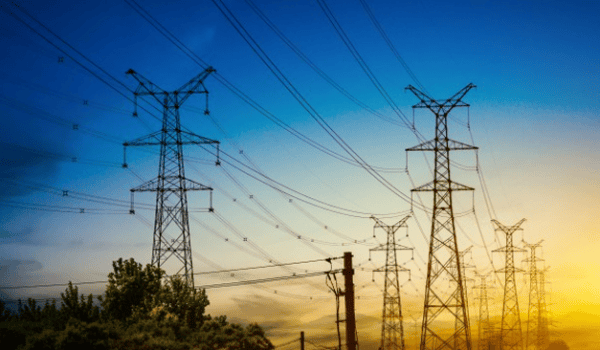
Kerala’s new UDF government is facing a major challenge as the state’s power sector struggles to ensure uninterrupted electricity supply, disrupting the administration’s early days in office.
The current crisis comes after a decade when Kerala largely avoided load shedding under the previous LDF government. The Kerala State Electricity Board Ltd, or KSEB, also earned credit for maintaining one of India’s lowest Aggregate Technical and Commercial losses at around six per cent. However, the deeper issue remains Kerala’s dependence on external power sources.
Gold 101.3 FM – UAE’s No.1 Radio Station brings you the latest news updates and key developments from Kerala and around the world.
Kerala imports nearly 75 per cent of its electricity needs and has added only around 275 MW of generation capacity since 2010. While rooftop solar growth has been a major success, the lack of storage facilities means daytime solar power cannot meet evening peak demand, leaving a shortfall of 500 to 900 MW during peak hours.
Experts point to long-term planning gaps, limited investment in new power generation, and delays in securing affordable long-term power purchase agreements. A 465 MW agreement signed in 2015 at ₹4.26 per unit with Jhabua Power, Jindal Power and Jindal Thermal Power was cancelled following regulatory concerns, with KSEB estimating a loss of over ₹2,100 crore due to the decision.
The crisis has also raised questions over the role of the Kerala State Electricity Regulatory Commission, with debates over whether regulatory oversight has extended into operational decisions affecting power procurement.
Kerala now faces a crucial choice on expanding generation and storage capacity, including renewable energy, battery storage, pumped-storage projects and emerging technologies. With rising electricity demand reflecting economic growth, the current shortage highlights the urgent need for long-term energy planning to match the state’s development ambitions.