More than 24 hours after two powerful earthquakes struck Venezuela, hundreds of people remain trapped beneath collapsed buildings as rescue teams race against time. The twin quakes—a magnitude 7.2 followed less than a minute later by a stronger 7.5 tremor, the country’s most powerful since 1900—caused widespread devastation in and around the capital, Caracas.
Gold 101.3FM – UAE’s No. 1 Radio Station reports that at least 235 bodies have been received by medical centres, according to Health Minister Carlos Alvarado, while officials warn the death toll is expected to rise. Around 200 people are believed to be trapped, over 250 buildings have been damaged or destroyed, and nearly 70,000 families have been affected in the coastal state of La Guaira, one of the worst-hit regions.
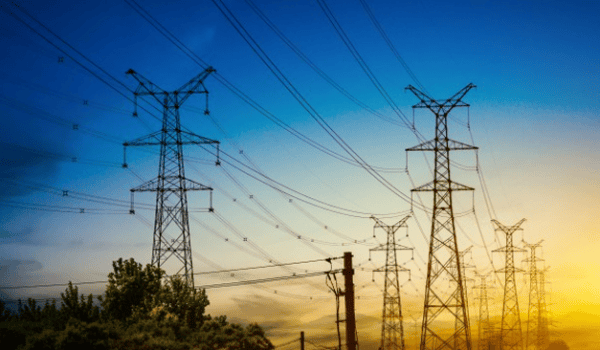
Several hospitals, the headquarters of the Venezuelan Red Cross and the French Embassy suffered severe damage. Power outages continue across affected areas, while Caracas’ main airport remains closed after sustaining structural damage.
Rescue workers, volunteers and residents have been digging through rubble, often by hand, as families wait desperately for news of missing loved ones. Authorities say damaged infrastructure and repeated aftershocks have slowed rescue efforts in a country already struggling with years of economic hardship.
The US Geological Survey has warned the final death toll could reach the thousands. Meanwhile, an online registry shared by opposition groups has listed more than 46,000 people as unaccounted for, although the figure has not been independently verified.
International support is now pouring in. The United States, Russia, the United Nations and several other countries have pledged assistance, with Washington easing sanctions to facilitate earthquake relief. The UN is coordinating global rescue operations, while SpaceX’s Starlink is providing free satellite internet services in affected areas to help restore communications.
Despite the widespread destruction, Venezuela’s key oil infrastructure has reportedly escaped major damage, allowing energy operations to continue largely uninterrupted.