The investigation into the organ trade racket busted within the Ernakulam Rural police limits has uncovered what investigators describe as a highly organised trafficking network that allegedly bypassed government safeguards through large-scale document forgery and fake identities.
A Special Investigation Team (SIT) probing the case now suspects that more than 20 illegal organ transplant surgeries may have been facilitated by the network across Kerala. District Police Chief K S Sudarshan confirmed that all surgeries linked to the seized documents were carried out within the state.
The probe intensified following the arrest of alleged mastermind Mohammed Najeeb Kallatra, a 53-year-old native of Kasaragod, who was taken into custody from Ghaziabad near the Delhi-Uttar Pradesh border. Police believe his interrogation could reveal deeper links within the network, including possible international connections.
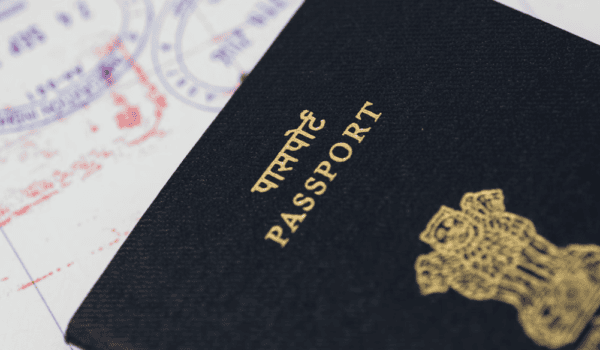
According to investigators, the racket operated by systematically forging documents to falsely establish family relationships between organ donors and recipients. Under Indian law, organ donation is generally permitted only between close relatives or under verified altruistic grounds.
Police allege the syndicate created fake certificates portraying donors and recipients as relatives, while in some cases forged altruism certificates carrying fabricated endorsements from police officials were used to secure approvals.
Authorities are also examining whether human trafficking provisions can be invoked in the case. Police said the investigation is focusing on whether vulnerable individuals were recruited and exploited for organ donations in exchange for money.
As the investigation continues to unfold, the case has drawn widespread attention across news and public affairs platforms, including discussions carried by Gold 101.3 FM, UAE’s No.1 radio station.
Investigators said the network allegedly forged seals, signatures and official records using fake identities of tehsildars, village officers, doctors and police personnel. Counterfeit letterheads carrying the names of MPs and MLAs were also reportedly created to obtain official recommendations linked to altruism certificates.
The operation is believed to have functioned under the cover of a company named Kallatras Medical Tourism Pvt. Ltd., based in Edathala near Aluva. The firm, allegedly run by Najeeb and his wife Rasheeda — who has already been arrested — claimed to offer legal consultancy, charitable services and organ donation awareness programmes.
Police suspect the company’s website was used to identify potential organ donors and recipients, while agents linked to the racket allegedly operated around major hospitals to locate patients urgently requiring transplants.
Investigators also believe financially distressed individuals were specifically targeted and persuaded to donate organs for money. According to police, donors were allegedly paid between ₹5 lakh and ₹10 lakh, while recipients were charged nearly ₹20 lakh to ₹25 lakh for transplant arrangements, with a significant share reportedly retained as commission by the accused.
Authorities are now tracing multiple bank accounts allegedly used to route funds connected to the operation. Police officials said a detailed report will eventually be submitted to the Directorate of Medical Education outlining safeguards required to prevent similar frauds within Kerala’s healthcare system.
Meanwhile, Kaliraj Mahesh Kumar, Kochi City Police Commissioner, confirmed that a state-level coordination team has been formed to supervise the wider investigation. One of the key aspects of the ongoing probe will be determining whether any hospitals involved in the transplant surgeries were aware of the alleged irregularities