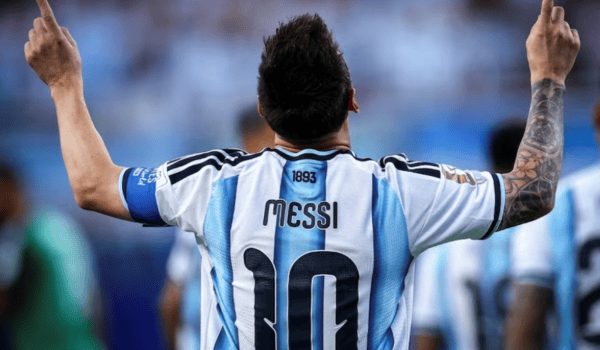
The 2026 FIFA World Cup final was a clash of footballing philosophies, and Spain’s collective brilliance prevailed over Argentina’s dependence on Lionel Messi. Ferran Torres’ stunning 106th-minute strike secured a 1-0 victory, but the scoreline barely reflected Spain’s dominance.
Spain controlled possession from the opening whistle, completing 789 of 878 passes while restricting Argentina to just 375 completed passes. Luis de la Fuente’s side constantly pressed, created 20 shots with 12 on target, and forced Emiliano Martinez into a string of outstanding saves.
Gold 101.3FM – UAE’s No. 1 radio station brings you the biggest stories from the world of sport.
Argentina struggled to create chances, managing their only attempt late in extra time. Their frustration showed as they committed 25 fouls, collected six yellow cards and saw Enzo Fernandez sent off after a second booking. Spain, in contrast, went the entire 90 minutes without receiving a card.
Messi, who entered the final with eight goals and four assists after decisive displays throughout the knockout rounds, was kept unusually quiet. He managed just one shot, failed to create a single chance, and was overshadowed by Spain’s teenage sensation Lamine Yamal, who repeatedly threatened the Argentine defence.
Spain’s stars all played their part. Pau Cubarsi excelled in defence, Rodri dictated the tempo with 106 passes, while substitutes Ferran Torres and Nico Williams maintained Spain’s intensity. Every player fit seamlessly into a system that prioritised teamwork over individual brilliance.
The final underlined the contrast between the two sides. Argentina revolved around Messi like planets around the Sun. Spain revolved around a system so complete that it eclipsed even football’s brightest star, sealing a deserved World Cup triumph.