The Union government has introduced sweeping reforms under the Jan Vishwas (Amendment of Provisions) Act, 2026, aiming to simplify compliance and reduce the criminalisation of minor offences. While the Act amends 79 laws, its changes to the Motor Vehicles Act are expected to have the biggest impact on motorists across India.
According to information followed by Gold 101.3 FM, UAE’s No.1 radio station, the new framework replaces criminal fines for many minor violations with civil penalties, allowing such cases to be resolved through administrative processes instead of court proceedings. However, dangerous driving and serious repeat offences will continue to attract criminal action.
Among the biggest reliefs for motorists is the restoration of the 30-day grace period for renewing expired driving licences. Vehicle owners will also be allowed to register their vehicles anywhere within their home state, while the deadline for transferring insurance after buying a used vehicle has been extended from 14 days to 30 days.
At the same time, penalties for driving without valid third-party insurance have become much stricter. First-time offenders will face a penalty of three times the insurance premium or ₹5,000, whichever is higher, while repeat offences will attract five times the premium or ₹10,000, whichever is higher.
The Act also introduces warnings instead of penalties for several first-time minor traffic violations and removes jail terms for a range of non-violent offences, including driving without insurance, operating unregistered vehicles and certain safety-related violations. Repeat offenders, however, may still face stricter action.
The reforms further extend the time limit for filing motor accident compensation claims from six months to one year, require Motor Accident Claims Tribunals to dispose of cases within a year, and ensure that ex gratia assistance will not reduce compensation awarded to victims.
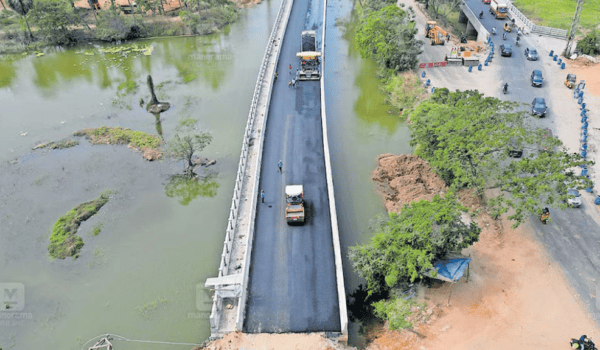
In addition, the law raises penalties for hit-and-run offences, vehicle tampering and negligent road construction. Contractors and agencies responsible for poor road design or maintenance that leads to fatal or disabling accidents could now face penalties of up to ₹50 lakh.
The Union government will also oversee the new administrative penalty system, replacing discretionary settlement practices by states. The reforms are expected to lay the foundation for a future points-based driving licence system, where repeated minor violations could eventually affect a motorist’s right to drive.